Masai Mara location and getting there
The Masai Mara sits about 270 km southwest of Nairobi, and how you cover that distance shapes the trip more than almost any other planning decision. Most visitors choose between a 5–6 hour road transfer, cheaper and easy to combine with other parks along the way, or a 45-minute bush flight from Wilson Airport, which trades cost for time recovered on safari. Road conditions vary with the season; rain during the long and short rains (March–May, November) can slow the final unpaved stretch into the reserve.
If you’re checking the Masai Mara location for trip planning, the key choice is not just where it is, but which route best fits your stay.
Where is the Masai Mara located?
Location details
Address: Masai Mara National Reserve, Narok County, southwestern Kenya, along the Kenya–Tanzania border | Find on map
There is no single visitor street address because the ecosystem is spread across the main reserve and nearby conservancies.
Find on map
- Distance from Nairobi: ~225–280km (140–174 mi) by road, depending on the gate or camp.
- Time taken from Nairobi: ~5–8 hr by road or ~45–60 min by flight, plus transfer from the airstrip.
- Access: By safari vehicle, self-drive 4x4, or bush flight.
Nairobi to Masai Mara: Time & distance
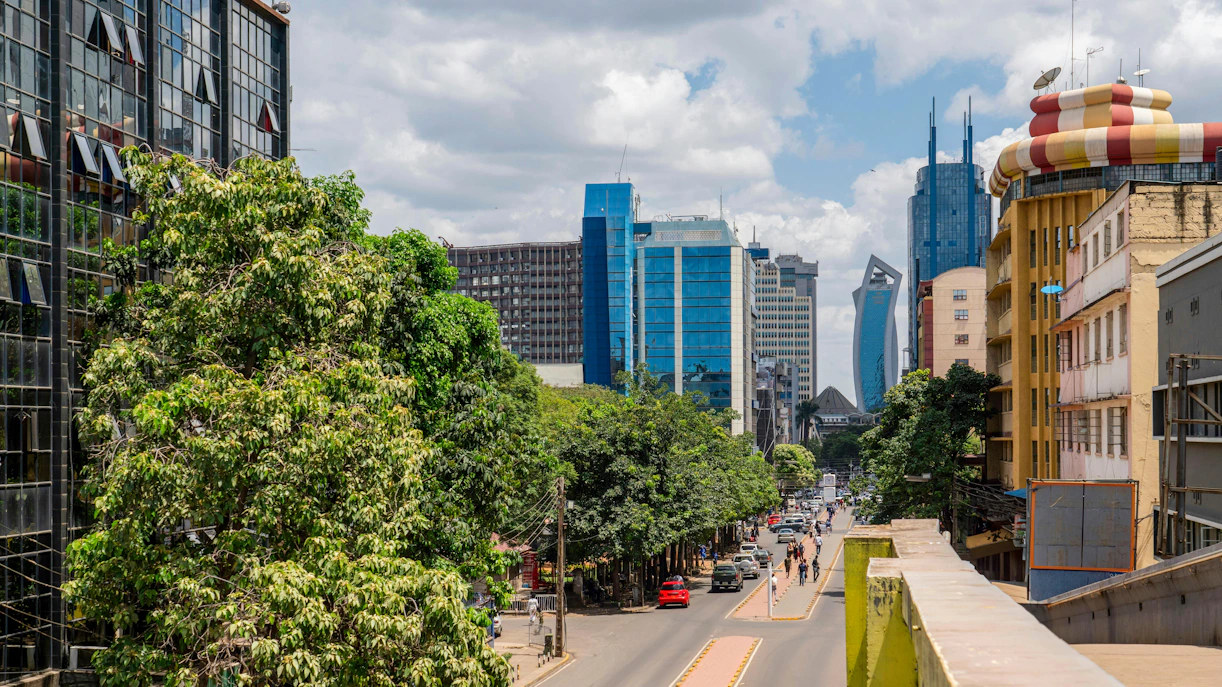
- From Nairobi: ~270 km
- By road: 5–6 hr (door-to-door, safari vehicle)
- By air: ~45 min flight + 15–30 min camp transfer
- By tour (road, round trip): Full safari itinerary, typically 3+ days, not a single-day round trip
Guided transfers (recommended)
- Skip the fatigue: A private road transfer means you're not sharing a long drive's pace and stops with strangers you didn't choose.
- Recover lost time: Flying converts a 5–6 hour transfer into 45 minutes — meaningful on a 3–4 day trip where every half-day counts.
- Combine parks efficiently: Road transfers can route through Lake Nakuru or Lake Naivasha on the way, adding a stop for almost no extra travel time.
- Avoid schedule guesswork: Bush flights run fixed daily circuits with limited seats — booking through a package guarantees your seat rather than leaving it to chance closer to travel dates.
Getting to the Mara isn't really a DIY logistics problem the way a city day trip is — there's no public transport option, and nearly every visitor arrives as part of a booked safari package rather than sourcing transport independently. Still, the transfer method is worth choosing deliberately:
By road
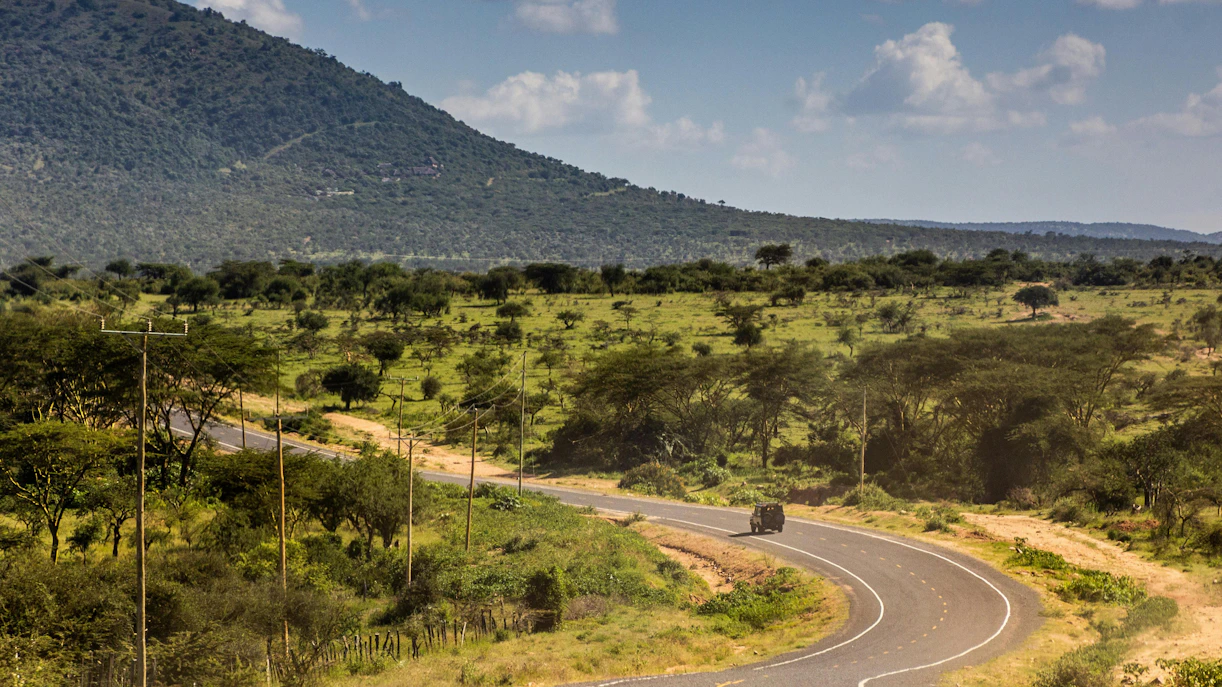
Road transfers from Nairobi pass through Narok town, with the final stretch on unpaved roads. The journey takes around 5–6 hours, depending on traffic and road conditions. Some itineraries include a stop at the Great Rift Valley viewpoint.
- Duration: 5–6 hr
- Cost: Included in safari package pricing; not sold as a standalone transfer
- Frequency: Scheduled around your safari's departure, not on a fixed public timetable
- Best for: Budget-conscious travelers, multi-park itineraries, longer trips
- Cons: The two travel-heavy days can eat meaningfully into a short (3-day) itinerary's actual safari time
By air
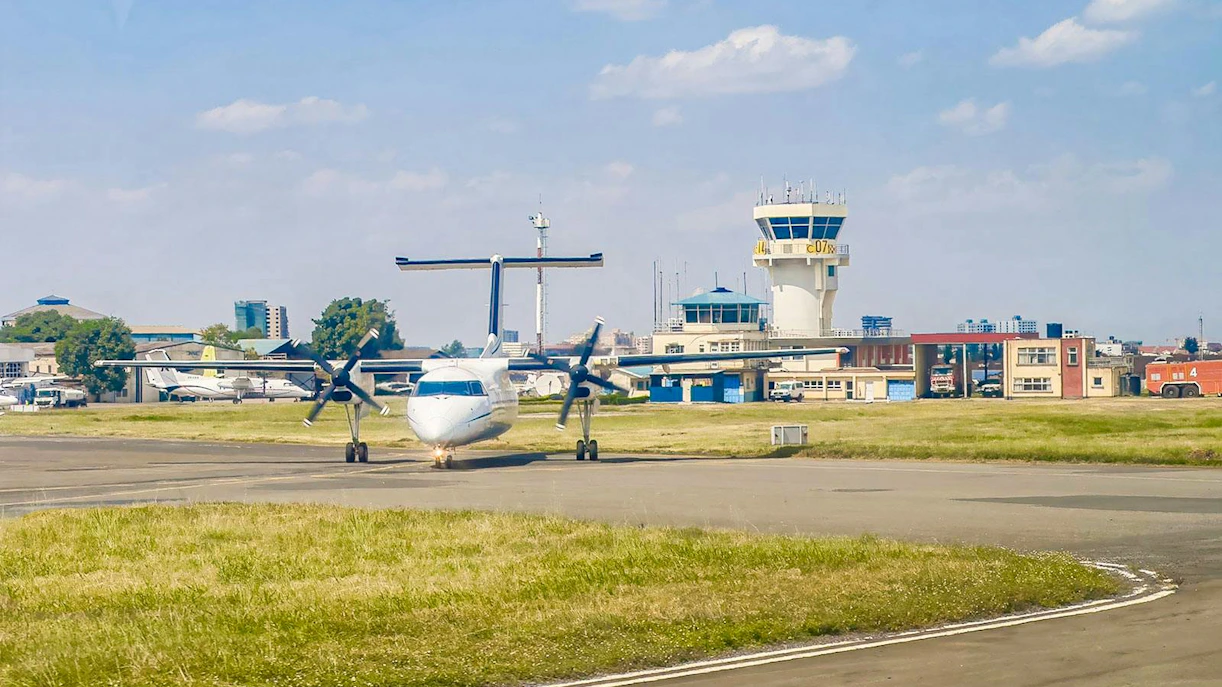
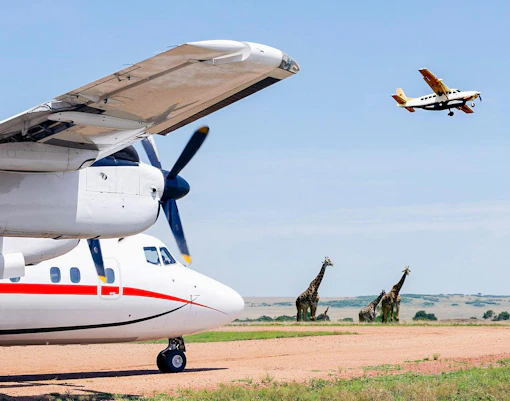
Bush flights to the Masai Mara depart from Nairobi’s Wilson Airport, not JKIA, and take around 45 minutes. Flights land at airstrips such as Keekorok, Musiara, Ol Kiombo, and Mara Serena, with the airstrip usually matched to your camp. A short 15–30-minute road transfer then takes you to your accommodation.
Flights operate on fixed daily schedules, with limited seats during peak season. Soft-sided bags are generally required, with lower weight limits than international flights. Check your operator’s exact allowance before packing.
- Duration: ~45 min flight + 15–30 min transfer
- Cost: Higher than road; current fly-in packages are private-only
- Frequency: Fixed scheduled departures
- Best for: Short itineraries and time-conscious travellers
- Consider: Fixed schedules, luggage limits, and possible weather-related delays
Connecting to other Kenya parks
If your Mara trip extends into a multi-park circuit, here’s how the main connections work:
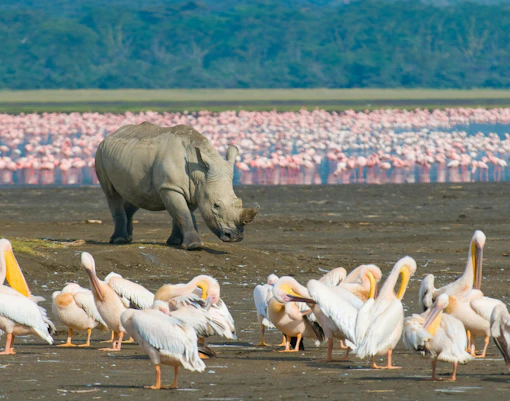
- Address: Lake Nakuru National Park, Nakuru County, Kenya. The park has access via Lanet, Nderit, and Main gates.
- From the Mara: ~220 km, around 4–5 hours by road, depending on your camp and route.
- Best way to get there: Road transfer is the most practical option. The route works well as part of a Mara–Nakuru circuit.
- Good to know: Lake Nakuru is northwest of the Mara, so it works naturally as part of a wider Kenya safari rather than as a quick side trip.
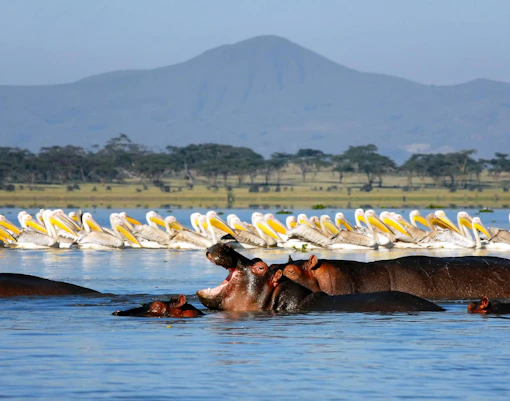
- Address: Lake Naivasha, Nakuru County, Kenya.
- From the Mara: ~210 km by road, around 4–5 hours.
- Best way to get there: Private or shared road transfer. There is no direct scheduled flight from Naivasha to the Mara, so flying usually means connecting via Nairobi.
- Good to know: Naivasha pairs well with the Mara on a road itinerary, especially when combined with Lake Nakuru.
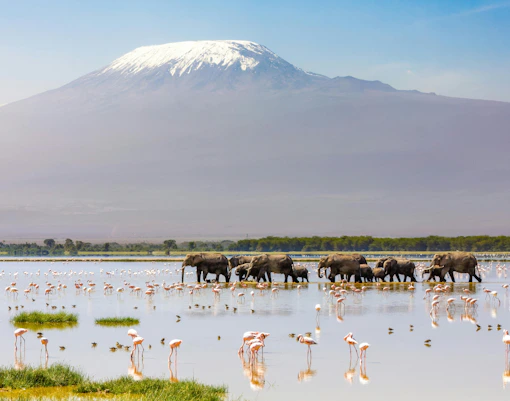
- Address: Amboseli National Park, Kajiado County, Kenya. Main access points include Iremito, Kimana, and Meshanani gates.
- From the Mara: Around 430 km by road, taking roughly 8–9 hours depending on the exact route and camp.
- Best way to get there: Fly between the parks if your itinerary and operator offer a direct connection. Flights can take around 1–1¼ hours, while road travel takes most of a day.
- Good to know: Amboseli is the least convenient of these three to add by road, so fly-in combinations can save significant travel time.
Compare your options
| Mode | Duration | Cost | Best for | Key notes |
|---|---|---|---|---|
Road transfer | 5–6 hr | Lower: included in shared or private road packages | Budget travelers, multi-park circuits | Can combine Nakuru/Naivasha en route for minimal extra time |
Fly-in | ~45 min + short transfer | Higher: private-only packages | Short Kenya itineraries, travelers who don't want to spend a lot of time travelling | Fixed daily schedules; book flights early in peak season |
Getting around in Masai Mara
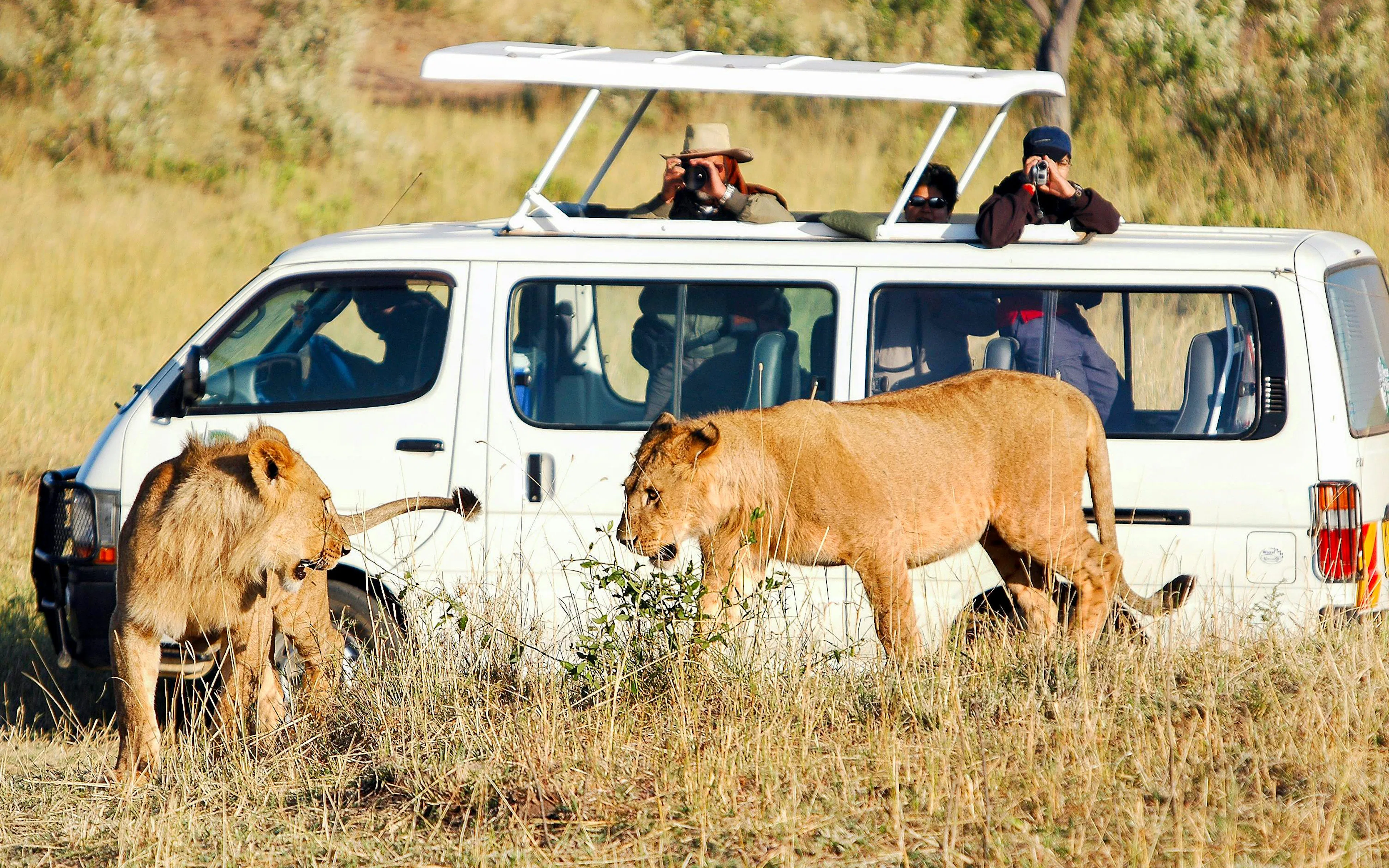
Once at your camp, game drives are run by your lodge or camp in a 4x4 safari vehicle, usually with a pop-up roof, driven by your assigned guide — this isn't something you arrange separately. Self-driving inside the reserve is technically possible but not recommended, especially for first-timers; a knowledgeable guide meaningfully improves sightings and helps you avoid getting stuck on unfamiliar unpaved tracks. If your itinerary includes a transfer between camps or to an airstrip mid-trip, this is arranged by your operator as part of the package.
Things to do in the Masai Mara
Game drives
The core Mara experience. Morning and late-afternoon drives give you the best chance of spotting big cats, elephants, giraffes, and large plains-game herds.
Mara River viewing points
These river sections matter most in migration season, when crossings may happen. They’re dramatic, but never guaranteed on a fixed schedule.
Hot air balloon safari (Add-on)
A sunrise balloon ride changes your perspective completely, trading ground-level tracking for sweeping views over grasslands, winding rivers, and wildlife movement.
Visit a Maasai village (Add-on)
Offered as an add-on, this experience gives cultural context beyond game viewing. It suits first-time visitors, though wildlife-focused travelers may prefer more drive time.
Photograph the Mara Triangle or open plains
Wide landscapes and cleaner sightlines make this ecosystem especially rewarding for first-safari photography, even outside the headline migration months.
Suggested itinerary for Masai Mara
A 4-day safari gives you two full days in the Mara plus time to add another wildlife destination. This is a suggested flow, so exact timings can change based on your camp, route, wildlife activity, and season.
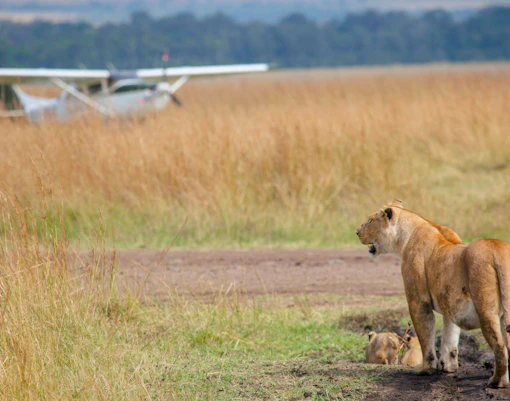
Day 1: Nairobi → Masai Mara
Morning: Leave Nairobi early by road or fly from Wilson Airport to an airstrip near your camp. Check in and have lunch.
Afternoon: Head out for your first game drive. Explore nearby wildlife areas and look for elephants, buffalo, giraffes and big cats.
Evening: Return to camp for dinner and a relaxed evening. If available at your conservancy, you can add a night drive.
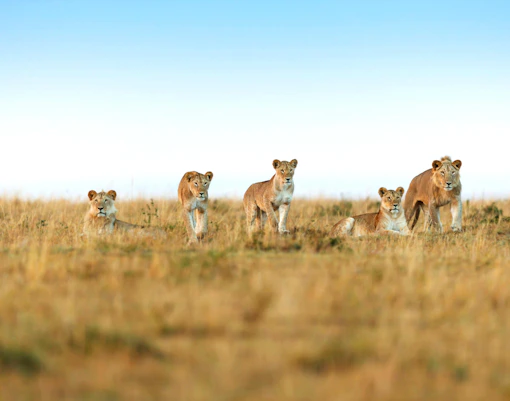
Day 2: Full day in the Mara
Morning: Start with an early game drive when wildlife is most active. Explore the National Reserve and look for lions, leopards, elephants and other resident wildlife.
Midday: Return to camp for lunch and downtime, or take a packed lunch for a longer game drive.
Afternoon: Continue exploring a different part of the reserve. From July to October, spend time around migration areas if the herds are in the Mara.
Evening: Return to camp for dinner.
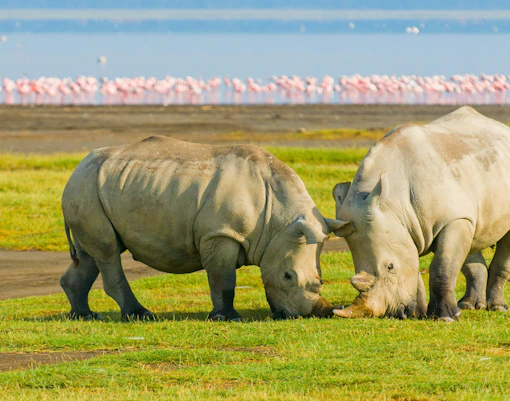
Day 3: Mara → Lake Nakuru
Morning: Take an early game drive before breakfast and check-out. Leave the Mara by road for Lake Nakuru.
Afternoon: Arrive at Lake Nakuru National Park and head out for a game drive. Look for rhinos, giraffes, buffalo, and flamingos around the lake.
Evening: Check in at your lodge near the park and have dinner.
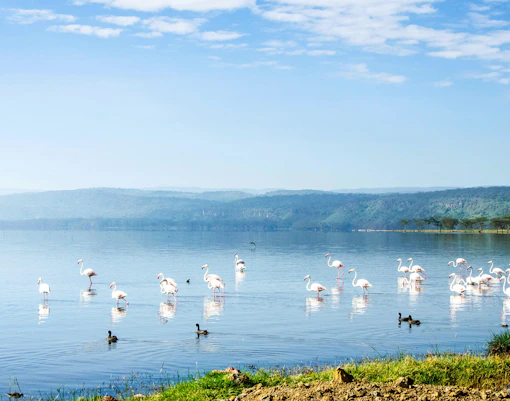
Day 4: Lake Nakuru → Nairobi
Morning: Take a final game drive around Lake Nakuru before breakfast or check-out. Spend the morning exploring the park if your schedule allows.
Afternoon: Drive back to Nairobi, arriving later in the day.
Optional swap: Replace Lake Nakuru with Lake Naivasha for a slower final day with a boat ride and lakeside wildlife viewing.
Good to know: A 4-day itinerary works best with an early start on Days 1 and 3. If you prefer more time in the Mara, skip the second park and use Day 3 for another full day of game drives.
Create your own Masai Mara itinerary with the details here.
Handy tips
- Start early: If driving from Nairobi, leave early enough to reach the reserve with daylight left for your first game drive.
- Confirm your location: Check your camp, conservancy, gate or airstrip before booking so your transfer matches your stay.
- Plan for the season: March–May and November can bring muddy roads and slower transfers. Allow extra travel time and choose a suitable 4x4.
- Choose the right route: Sekenani and Talek suit many eastern stays, while western Mara and Mara Triangle properties may be better accessed via Oloololo.
- Check your transfer: Confirm whether your safari includes a shared or private transfer, as this affects your pace and comfort.
- Check luggage rules: Bush flights have strict weight limits and usually require soft-sided bags. Confirm your operator's allowance before travelling.
- Book flights early: For July–October, reserve bush flights in advance as scheduled services have limited daily capacity.
- Plan cross-border trips: Travel from the Serengeti requires border arrangements and additional coordination, so confirm the route and transfers before booking.
Frequently asked questions about getting to the Masai Mara
It’s in Narok County in south-western Kenya, along the Tanzania border.
It’s roughly 225–280km (140–174 mi) by road, depending on the gate, camp, or conservancy.
By road, allow about 5–8 hours. By flight, the air leg is usually about 45–60 minutes, plus transfer time.
Flying from Wilson Airport in Nairobi to a Mara airstrip is the fastest option.
Fly if you have limited time or dislike long road transfers. Drive if you want lower costs or more route flexibility.
Yes, but a 4x4 is strongly recommended, especially in rainy periods or for camps reached by rough final tracks.
Yes, but it requires border logistics, timing, and operator coordination. It’s not as simple as moving directly between neighboring wildlife areas.
Public guidance generally points to gate hours around 6am–6pm. Park-entry rules and fees can change, so recheck them before travel.